
Mouse-Ear Hawkweed
Pilosella officinarum
Family: Asteraceae
Mouse-Ear Hawkweed (Pilosella officinarum) is a upright houseplant from the Asteraceae family. Moderate to advanced care requirements.
Complete Care Guide
Light Requirements
Best near south or west-facing windows with sheer curtains. Wants lots of light but not direct sun rays hitting leaves.
Watering
Very drought-tolerant. Allow soil to dry completely between waterings. Overwatering is the primary cause of death for this plant.
Typical schedule: every 16 days (adjust for season and environment).
Humidity
Tolerates dry air without issue. No special humidity measures needed — works great in air-conditioned or heated rooms.
Temperature
Keep between 55–80°F (13–27°C). Avoid cold drafts, heating vents, and sudden temperature changes.
Size & Growth
Mature size: approximately 23 inches tall × 17 inches wide. Growth rate is fast. Habit: upright.
Difficulty Level: 3/5
Moderate care requirements. Needs reasonably consistent watering, appropriate light, and attention to humidity. Best for someone with a few plants already.
Quick Tips
- ✓Water approximately every 14 days
- ✓Prefers bright indirect light conditions
- ✓Humidity preference: low
- ✓Keep between 55-80°F
Common Problems & Solutions
Yellowing leaves
Cause: Overwatering or sitting in waterlogged soil
Fix: Let soil dry completely before watering. Ensure pot has drainage holes. Reduce watering frequency.
Pale or leggy growth
Cause: Insufficient light — plant is stretching toward the nearest light source
Fix: Move to a brighter location. Rotate plant quarterly for even growth.
Drooping or wilting
Cause: Usually overwatering causing root rot
Fix: Check roots for rot. Reduce watering. Repot in fresh, well-draining soil if needed.
Toxic to Pets
Mouse-Ear Hawkweed is toxic to cats and dogs. Ingestion may cause oral irritation, excessive drooling, vomiting, and difficulty swallowing. Keep this plant out of reach or consider a pet-safe alternative.
Browse pet-safe alternatives →Frequently Asked Questions
Is Mouse-Ear Hawkweed safe for cats and dogs?▼
No — Mouse-Ear Hawkweed is toxic to both cats and dogs. If ingested, it may cause oral irritation, drooling, vomiting, or difficulty swallowing. Keep out of reach of pets or choose a pet-safe alternative.
How often should I water Mouse-Ear Hawkweed?▼
Water approximately every 16 days, but always check the soil first. Very drought-tolerant. Allow soil to dry completely between waterings. Overwatering is the primary cause of death for this plant. Adjust frequency based on season — less in winter, more in summer.
How much light does Mouse-Ear Hawkweed need?▼
Mouse-Ear Hawkweed prefers bright indirect conditions. Best near south or west-facing windows with sheer curtains. Wants lots of light but not direct sun rays hitting leaves.
How big does Mouse-Ear Hawkweed get?▼
Indoors, Mouse-Ear Hawkweed typically reaches about 23 inches (58 cm) tall with a spread of around 17 inches. Growth rate is fast. Size depends on pot size, light, and care.
Is Mouse-Ear Hawkweed good for beginners?▼
Mouse-Ear Hawkweed has a difficulty rating of 3/5, so it's best for intermediate plant parents. It needs more specific conditions to thrive.
Similar Plants You Might Like
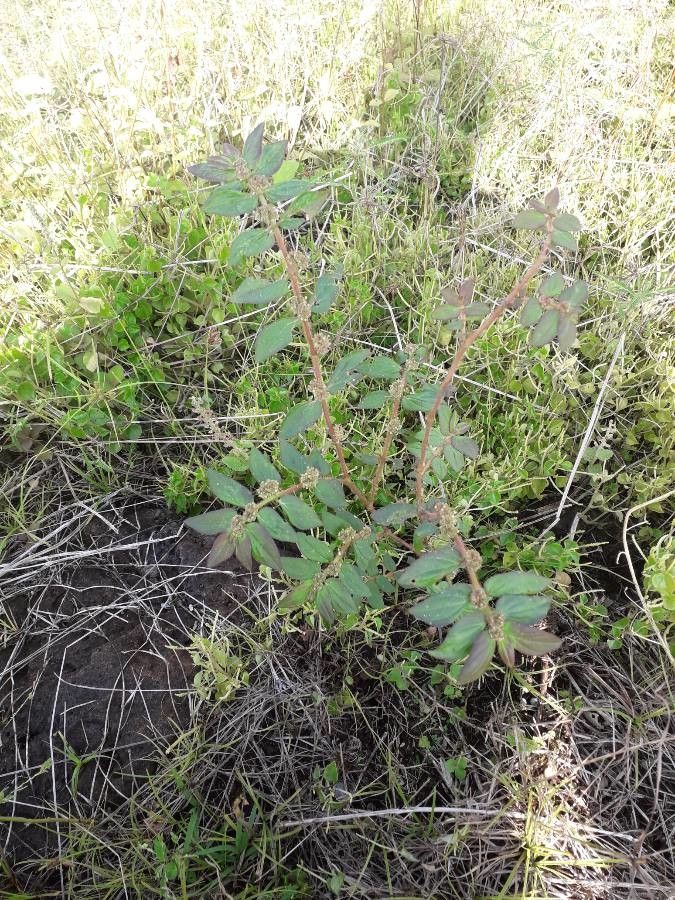
Asthmaplant
Euphorbia hirta

Autumn Hawkbit
Scorzoneroides autumnalis
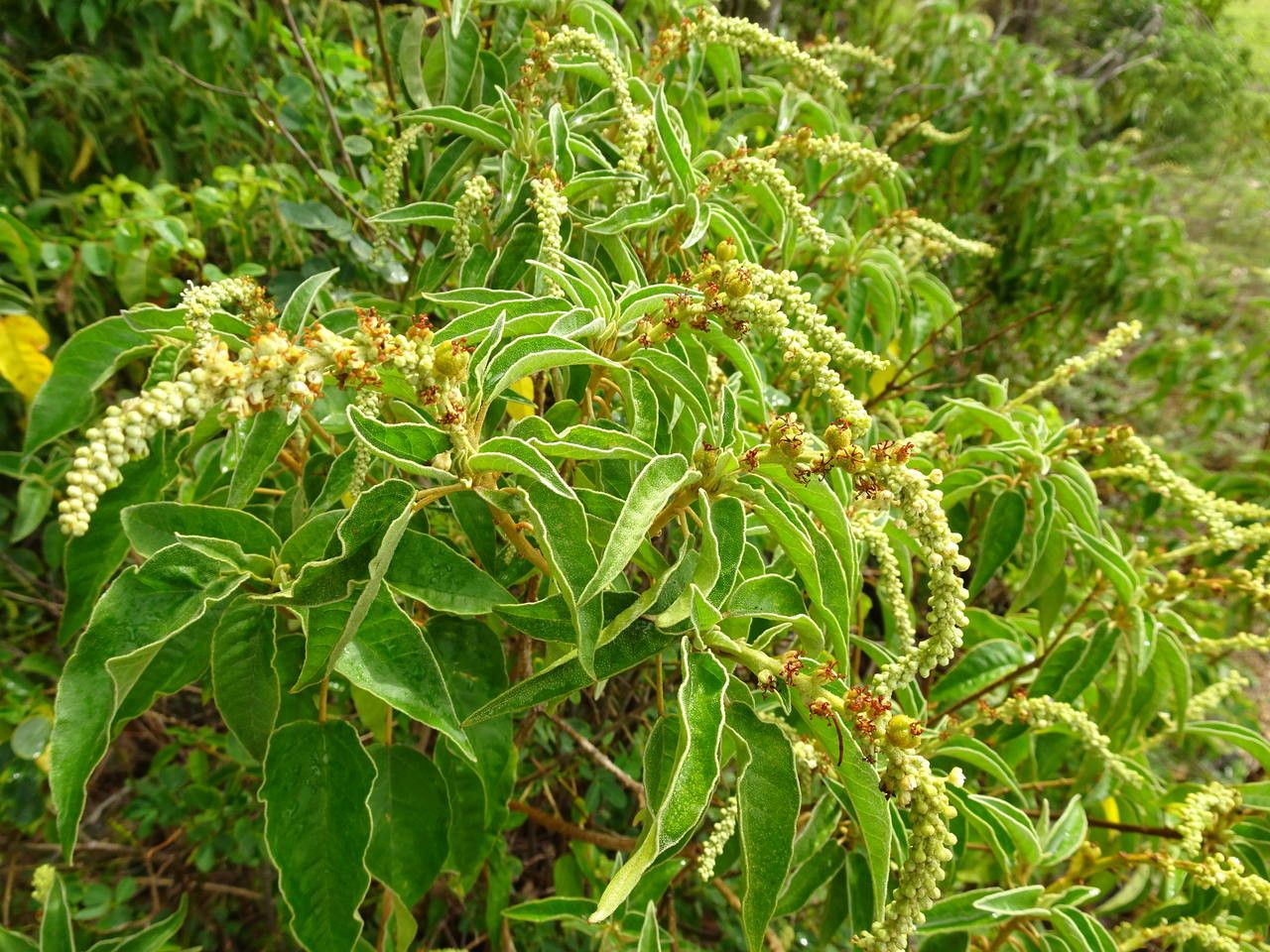
Balsam
Croton flavens
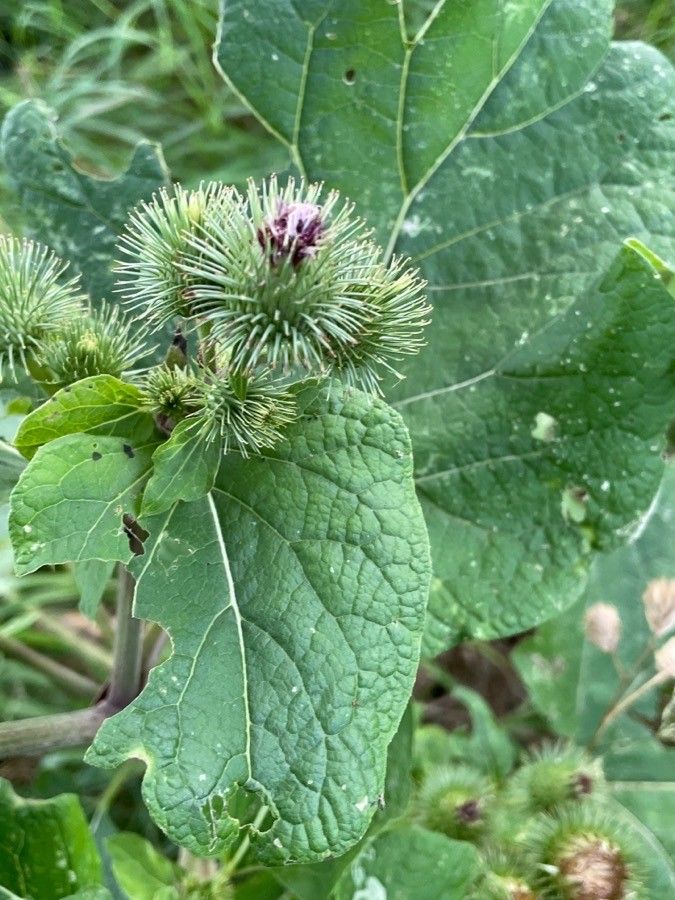
Beggar'S-Buttons
Arctium lappa