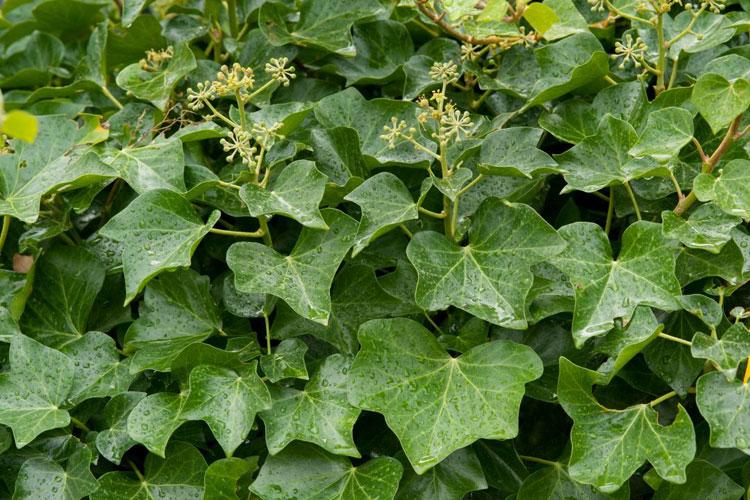
English Ivy
Hedera helix
Family: Araliaceae
A classic trailing vine with distinctive lobed leaves. English Ivy is an excellent air purifier and grows vigorously. Prefers cooler temperatures than most houseplants, making it great for unheated rooms.
Complete Care Guide
Light Requirements
Thrives near east-facing windows or a few feet back from south/west windows. Needs consistent but not intense light.
Watering
Water when the top 1-2 inches of soil feel dry. Consistent moisture is preferred but brief dry periods are tolerated.
Typical schedule: every 7 days (adjust for season and environment).
Humidity
Average household humidity (40-50%) is usually fine. Misting occasionally or grouping with other plants can help during dry winter months.
Temperature
Keep between 50–75°F (10–24°C). Avoid cold drafts, heating vents, and sudden temperature changes. This plant tolerates cooler temperatures better than most.
Size & Growth
Mature size: approximately 60 inches tall × 36 inches wide. Growth rate is fast. Habit: trailing.
Difficulty Level: 2/5
Easy to moderate care. Forgiving of minor mistakes but benefits from consistent attention. Good for beginners ready for a small step up.
Quick Tips
- ✓Prefers cooler temps — 60-75°F ideal
- ✓Keep soil evenly moist
- ✓Mist to prevent spider mites
- ✓Can become invasive outdoors — keep indoors
Common Problems & Solutions
Brown leaf tips
Cause: Low humidity, inconsistent watering, or mineral buildup from tap water
Fix: Increase humidity with a pebble tray or humidifier. Use filtered water. Water on a consistent schedule.
Scorched or bleached leaves
Cause: Too much direct sunlight burning the foliage
Fix: Move away from direct sun. This plant prefers filtered or indirect light.
Drooping or wilting
Cause: Usually underwatering or sudden temperature change
Fix: Water thoroughly and ensure consistent moisture. Avoid cold drafts and heating vents.
Toxic to Pets
English Ivy is toxic to cats and dogs. Ingestion may cause oral irritation, excessive drooling, vomiting, and difficulty swallowing. Keep this plant out of reach or consider a pet-safe alternative.
Browse pet-safe alternatives →Best For
Frequently Asked Questions
Is English Ivy safe for cats and dogs?▼
No — English Ivy is toxic to both cats and dogs. If ingested, it may cause oral irritation, drooling, vomiting, or difficulty swallowing. Keep out of reach of pets or choose a pet-safe alternative.
How often should I water English Ivy?▼
Water approximately every 7 days, but always check the soil first. Water when the top 1-2 inches of soil feel dry. Consistent moisture is preferred but brief dry periods are tolerated. Adjust frequency based on season — less in winter, more in summer.
How much light does English Ivy need?▼
English Ivy prefers medium light conditions. Thrives near east-facing windows or a few feet back from south/west windows. Needs consistent but not intense light.
How big does English Ivy get?▼
Indoors, English Ivy typically reaches about 60 inches (152 cm) tall with a spread of around 36 inches. Growth rate is fast. Size depends on pot size, light, and care.
Is English Ivy good for beginners?▼
Yes! With a difficulty rating of 2/5, English Ivy is very forgiving and suitable for beginners. It tolerates imperfect conditions and bounces back from mistakes.
Similar Plants You Might Like

Philodendron Lemon Lime
Philodendron hederaceum 'Lemon Lime'
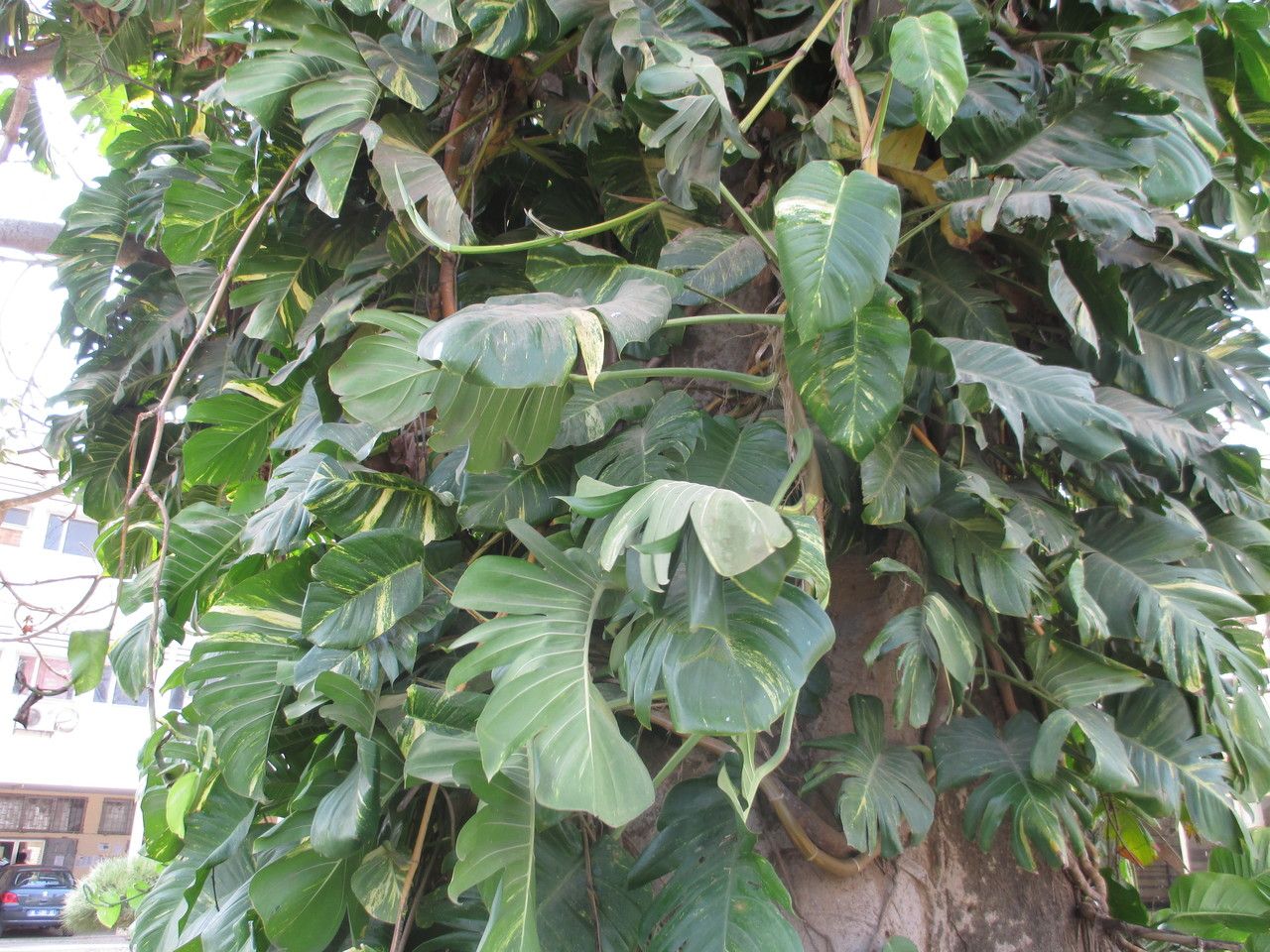
Variegated-Philodendron
Epipremnum pinnatum
Heartleaf Philodendron
Philodendron hederaceum
Philodendron Brasil
Philodendron hederaceum 'Brasil'