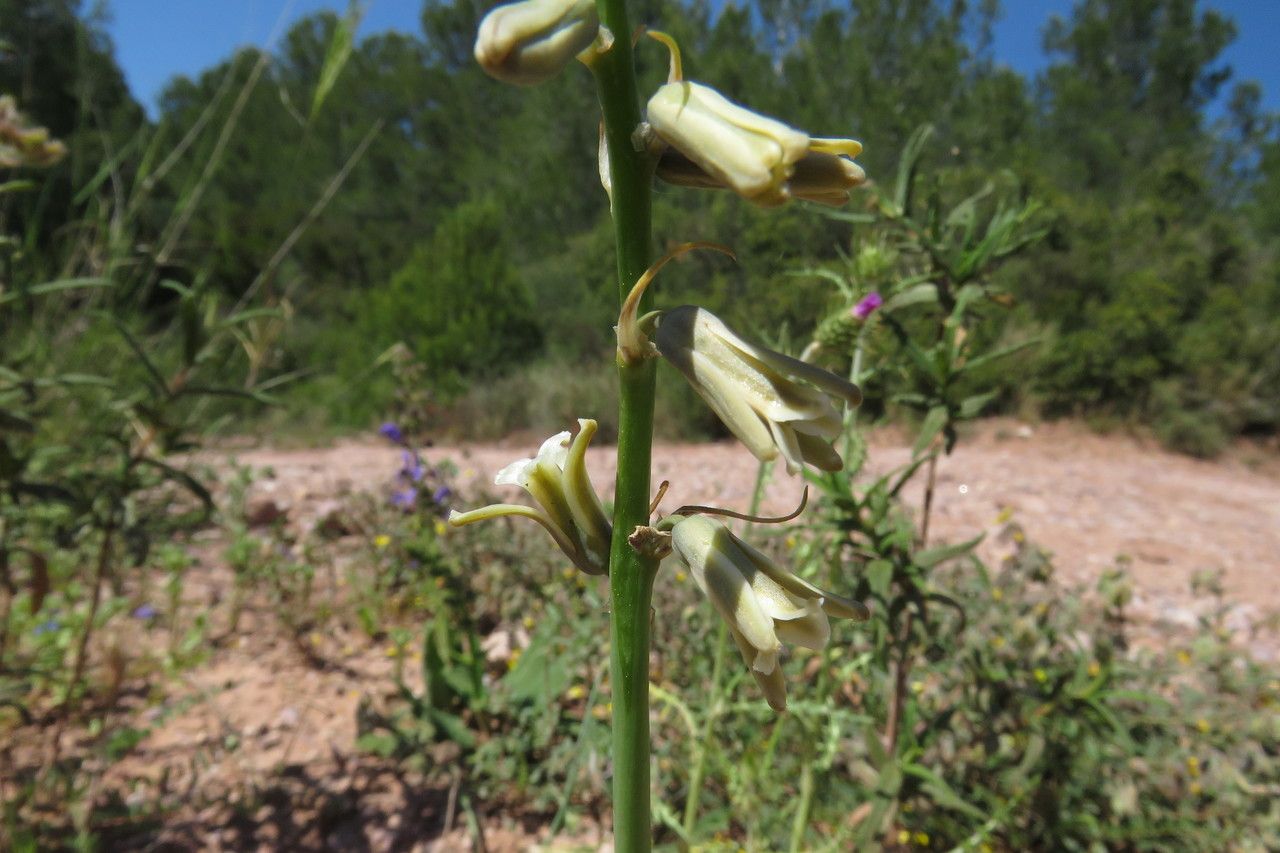
Brown Bluebell
Dipcadi serotinum
Family: Asparagaceae
Brown Bluebell (Dipcadi serotinum) is a upright houseplant from the Asparagaceae family. Easy to care for and forgiving.
Complete Care Guide
Light Requirements
Tolerates north-facing windows, shaded corners, and rooms with minimal natural light. Can survive under fluorescent office lighting.
Watering
Very drought-tolerant. Allow soil to dry completely between waterings. Overwatering is the primary cause of death for this plant.
Typical schedule: every 10 days (adjust for season and environment).
Humidity
Tolerates dry air without issue. No special humidity measures needed — works great in air-conditioned or heated rooms.
Temperature
Keep between 55–85°F (13–29°C). Avoid cold drafts, heating vents, and sudden temperature changes.
Size & Growth
Mature size: approximately 31 inches tall × 24 inches wide. Growth rate is moderate. Habit: upright.
Difficulty Level: 2/5
Easy to moderate care. Forgiving of minor mistakes but benefits from consistent attention. Good for beginners ready for a small step up.
Quick Tips
- ✓Water approximately every 10 days
- ✓Prefers low light conditions
- ✓Humidity preference: low
- ✓Keep between 55-85°F
Common Problems & Solutions
Yellowing leaves
Cause: Overwatering or sitting in waterlogged soil
Fix: Let soil dry completely before watering. Ensure pot has drainage holes. Reduce watering frequency.
Scorched or bleached leaves
Cause: Too much direct sunlight burning the foliage
Fix: Move away from direct sun. This plant prefers filtered or indirect light.
Drooping or wilting
Cause: Usually overwatering causing root rot
Fix: Check roots for rot. Reduce watering. Repot in fresh, well-draining soil if needed.
Toxic to Pets
Brown Bluebell is toxic to cats and dogs. Ingestion may cause oral irritation, excessive drooling, vomiting, and difficulty swallowing. Keep this plant out of reach or consider a pet-safe alternative.
Browse pet-safe alternatives →Frequently Asked Questions
Is Brown Bluebell safe for cats and dogs?▼
No — Brown Bluebell is toxic to both cats and dogs. If ingested, it may cause oral irritation, drooling, vomiting, or difficulty swallowing. Keep out of reach of pets or choose a pet-safe alternative.
How often should I water Brown Bluebell?▼
Water approximately every 10 days, but always check the soil first. Very drought-tolerant. Allow soil to dry completely between waterings. Overwatering is the primary cause of death for this plant. Adjust frequency based on season — less in winter, more in summer.
How much light does Brown Bluebell need?▼
Brown Bluebell prefers low light conditions. Tolerates north-facing windows, shaded corners, and rooms with minimal natural light. Can survive under fluorescent office lighting.
How big does Brown Bluebell get?▼
Indoors, Brown Bluebell typically reaches about 31 inches (79 cm) tall with a spread of around 24 inches. Growth rate is moderate. Size depends on pot size, light, and care.
Is Brown Bluebell good for beginners?▼
Yes! With a difficulty rating of 2/5, Brown Bluebell is very forgiving and suitable for beginners. It tolerates imperfect conditions and bounces back from mistakes.
Similar Plants You Might Like
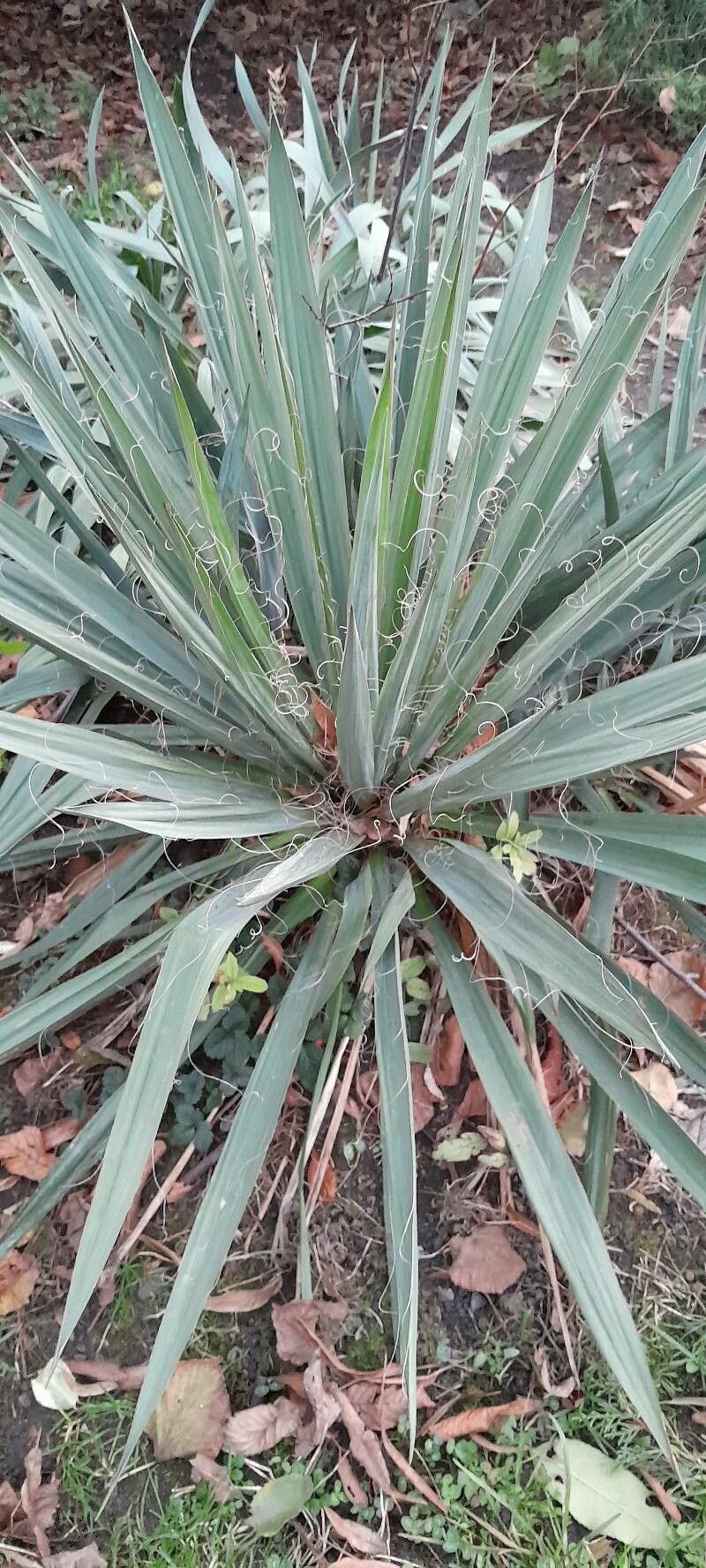
Adam'S-Needle
Yucca filamentosa

American Solomon'S-Seal
Polygonatum biflorum
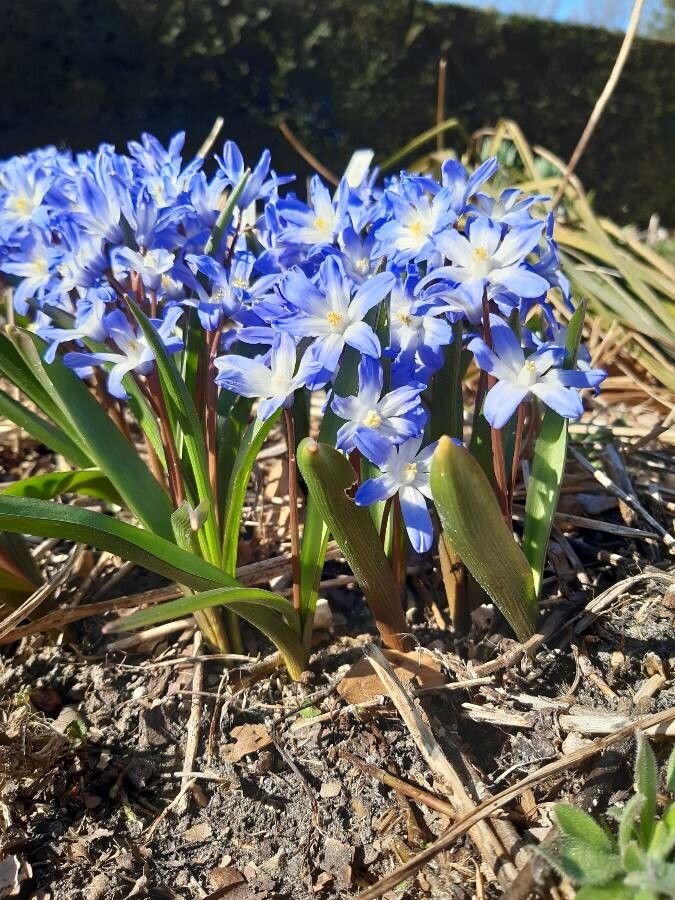
Asian Spring Bulb
Scilla forbesii
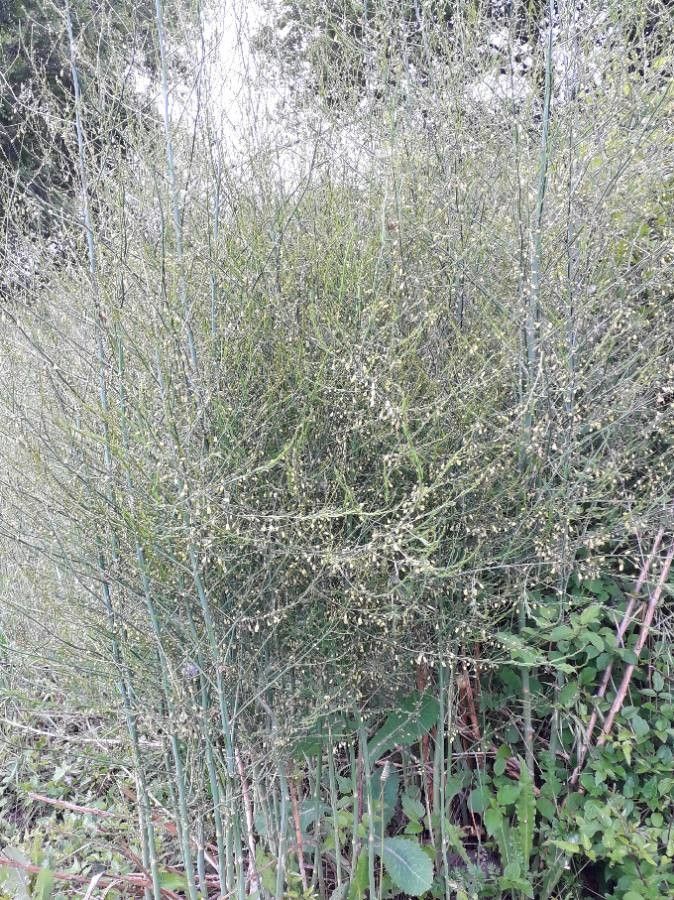
Asparagus
Asparagus officinalis