
Blue Fescue
Festuca glauca
Family: Poaceae
Blue Fescue (Festuca glauca) is a compact ornamental grass prized for its striking silvery-blue foliage. It forms neat, rounded tufts that add year-round color and texture to gardens and containers.
Complete Care Guide
Light Requirements
Needs several hours of unfiltered sunlight daily. South-facing windowsill or sunroom is ideal.
Watering
Very drought-tolerant. Allow soil to dry completely between waterings. Overwatering is the primary cause of death for this plant.
Typical schedule: every 7 days (adjust for season and environment).
Humidity
Tolerates dry air without issue. No special humidity measures needed — works great in air-conditioned or heated rooms.
Temperature
Keep between 30–85°F (-1–29°C). Avoid cold drafts, heating vents, and sudden temperature changes. This plant tolerates cooler temperatures better than most.
Size & Growth
Mature size: approximately 12 inches tall × 10 inches wide. Growth rate is slow. Habit: rosette. Stays compact enough for desks and shelves.
Difficulty Level: 2/5
Easy to moderate care. Forgiving of minor mistakes but benefits from consistent attention. Good for beginners ready for a small step up.
Quick Tips
- ✓Full sun for best blue color
- ✓Excellent drainage essential — hates wet feet
- ✓Cut back old foliage in early spring
- ✓Divide every 2-3 years to maintain vigor
- ✓Drought tolerant once established
Common Problems & Solutions
Yellowing leaves
Cause: Overwatering or sitting in waterlogged soil
Fix: Let soil dry completely before watering. Ensure pot has drainage holes. Reduce watering frequency.
Pale or leggy growth
Cause: Insufficient light — plant is stretching toward the nearest light source
Fix: Move to a brighter location. Rotate plant quarterly for even growth.
Drooping or wilting
Cause: Usually overwatering causing root rot
Fix: Check roots for rot. Reduce watering. Repot in fresh, well-draining soil if needed.
Pet Safe
Blue Fescue is non-toxic and safe for households with cats and dogs. Verified against the ASPCA Toxic and Non-Toxic Plant Database.
Best For
Frequently Asked Questions
Is Blue Fescue safe for cats and dogs?▼
Yes! Blue Fescue is non-toxic to both cats and dogs according to the ASPCA. Safe to keep in homes with pets.
How often should I water Blue Fescue?▼
Water approximately every 7 days, but always check the soil first. Very drought-tolerant. Allow soil to dry completely between waterings. Overwatering is the primary cause of death for this plant. Adjust frequency based on season — less in winter, more in summer.
How much light does Blue Fescue need?▼
Blue Fescue prefers direct sun conditions. Needs several hours of unfiltered sunlight daily. South-facing windowsill or sunroom is ideal.
How big does Blue Fescue get?▼
Indoors, Blue Fescue typically reaches about 12 inches (30 cm) tall with a spread of around 10 inches. Growth rate is slow. Size depends on pot size, light, and care.
Is Blue Fescue good for beginners?▼
Yes! With a difficulty rating of 2/5, Blue Fescue is very forgiving and suitable for beginners. It tolerates imperfect conditions and bounces back from mistakes.
Similar Plants You Might Like
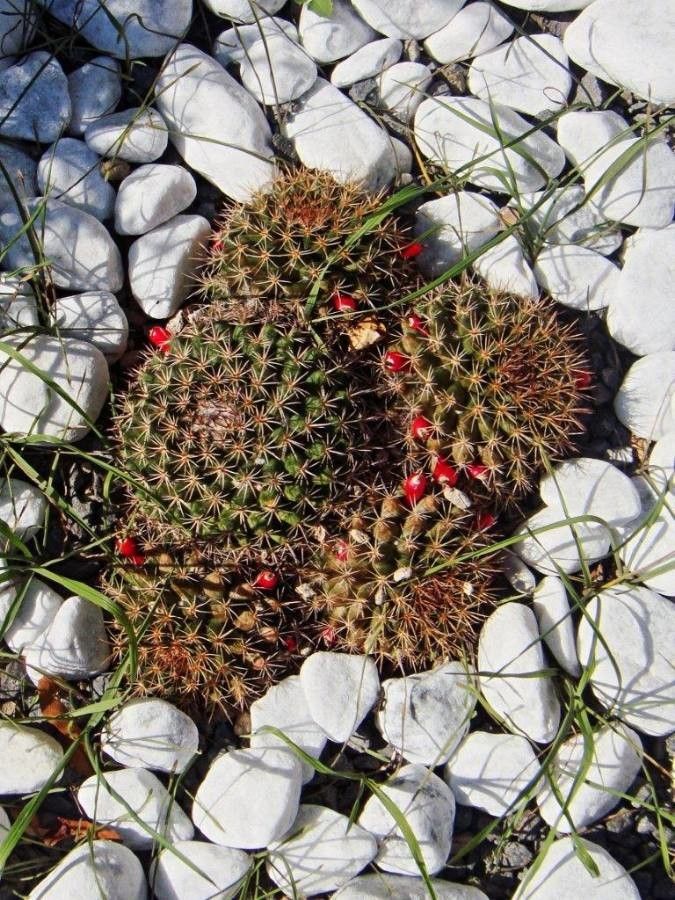
Lady Finger Cactus
Mammillaria elongata

Mother-Of-Hundreds
Mammillaria compressa

Rainbow Pincushion
Mammillaria rhodantha
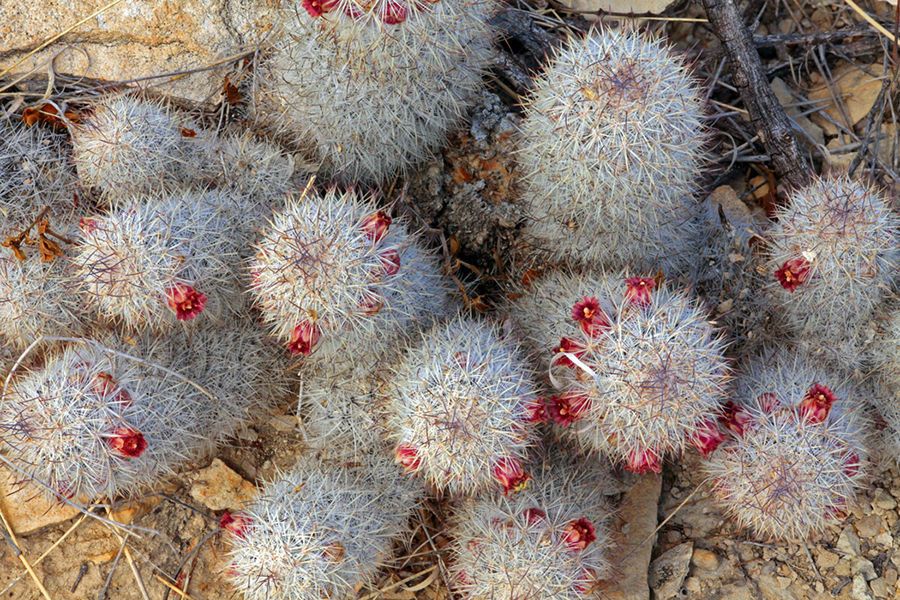
Rat-Tail Nipple Cactus
Mammillaria pottsii