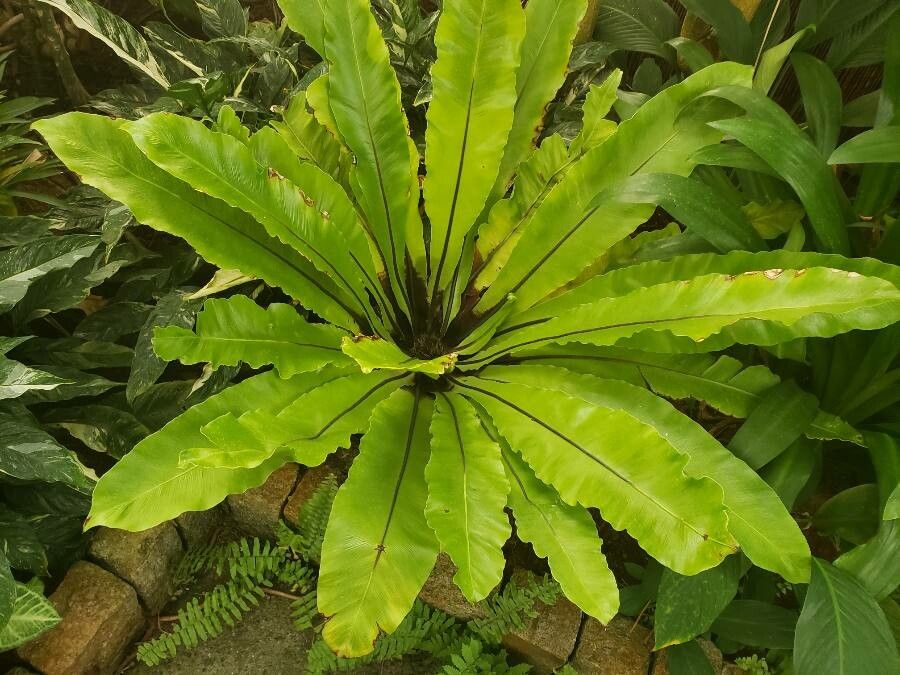
Bird's Nest Fern
Asplenium nidus
Family: Aspleniaceae
Broad, rippled fronds unfurl from a central rosette, creating a lush tropical look. Easier than most ferns as long as humidity stays high. Perfect for bathrooms or kitchens.
Complete Care Guide
Light Requirements
Thrives near east-facing windows or a few feet back from south/west windows. Needs consistent but not intense light.
Watering
Water when the top 1-2 inches of soil feel dry. Consistent moisture is preferred but brief dry periods are tolerated.
Typical schedule: every 5 days (adjust for season and environment).
Humidity
This plant loves moisture in the air. Keep humidity above 50-60% using a humidifier, pebble tray, or by grouping plants together. Bathrooms with natural light are often ideal.
Temperature
Keep between 60–80°F (16–27°C). Avoid cold drafts, heating vents, and sudden temperature changes.
Size & Growth
Mature size: approximately 24 inches tall × 24 inches wide. Growth rate is moderate. Habit: rosette. Stays compact enough for desks and shelves.
Difficulty Level: 3/5
Moderate care requirements. Needs reasonably consistent watering, appropriate light, and attention to humidity. Best for someone with a few plants already.
Quick Tips
- ✓Keep soil consistently moist
- ✓Water around the edges, not into the center rosette
- ✓High humidity is essential — bathrooms are ideal
- ✓Avoid direct sunlight
Common Problems & Solutions
Brown leaf tips
Cause: Low humidity, inconsistent watering, or mineral buildup from tap water
Fix: Increase humidity with a pebble tray or humidifier. Use filtered water. Water on a consistent schedule.
Scorched or bleached leaves
Cause: Too much direct sunlight burning the foliage
Fix: Move away from direct sun. This plant prefers filtered or indirect light.
Drooping or wilting
Cause: Usually underwatering or sudden temperature change
Fix: Water thoroughly and ensure consistent moisture. Avoid cold drafts and heating vents.
Crispy leaf edges
Cause: Humidity too low for this tropical plant
Fix: Group plants together, use a humidifier, or place on a pebble tray. Bathrooms often provide ideal humidity.
Pet Safe
Bird's Nest Fern is non-toxic and safe for households with cats and dogs. Verified against the ASPCA Toxic and Non-Toxic Plant Database.
Best For
Frequently Asked Questions
Is Bird's Nest Fern safe for cats and dogs?▼
Yes! Bird's Nest Fern is non-toxic to both cats and dogs according to the ASPCA. Safe to keep in homes with pets.
How often should I water Bird's Nest Fern?▼
Water approximately every 5 days, but always check the soil first. Water when the top 1-2 inches of soil feel dry. Consistent moisture is preferred but brief dry periods are tolerated. Adjust frequency based on season — less in winter, more in summer.
How much light does Bird's Nest Fern need?▼
Bird's Nest Fern prefers medium light conditions. Thrives near east-facing windows or a few feet back from south/west windows. Needs consistent but not intense light.
How big does Bird's Nest Fern get?▼
Indoors, Bird's Nest Fern typically reaches about 24 inches (61 cm) tall with a spread of around 24 inches. Growth rate is moderate. Size depends on pot size, light, and care.
Is Bird's Nest Fern good for beginners?▼
Bird's Nest Fern has a difficulty rating of 3/5, so it's best for intermediate plant parents. It needs more specific conditions to thrive.
Similar Plants You Might Like
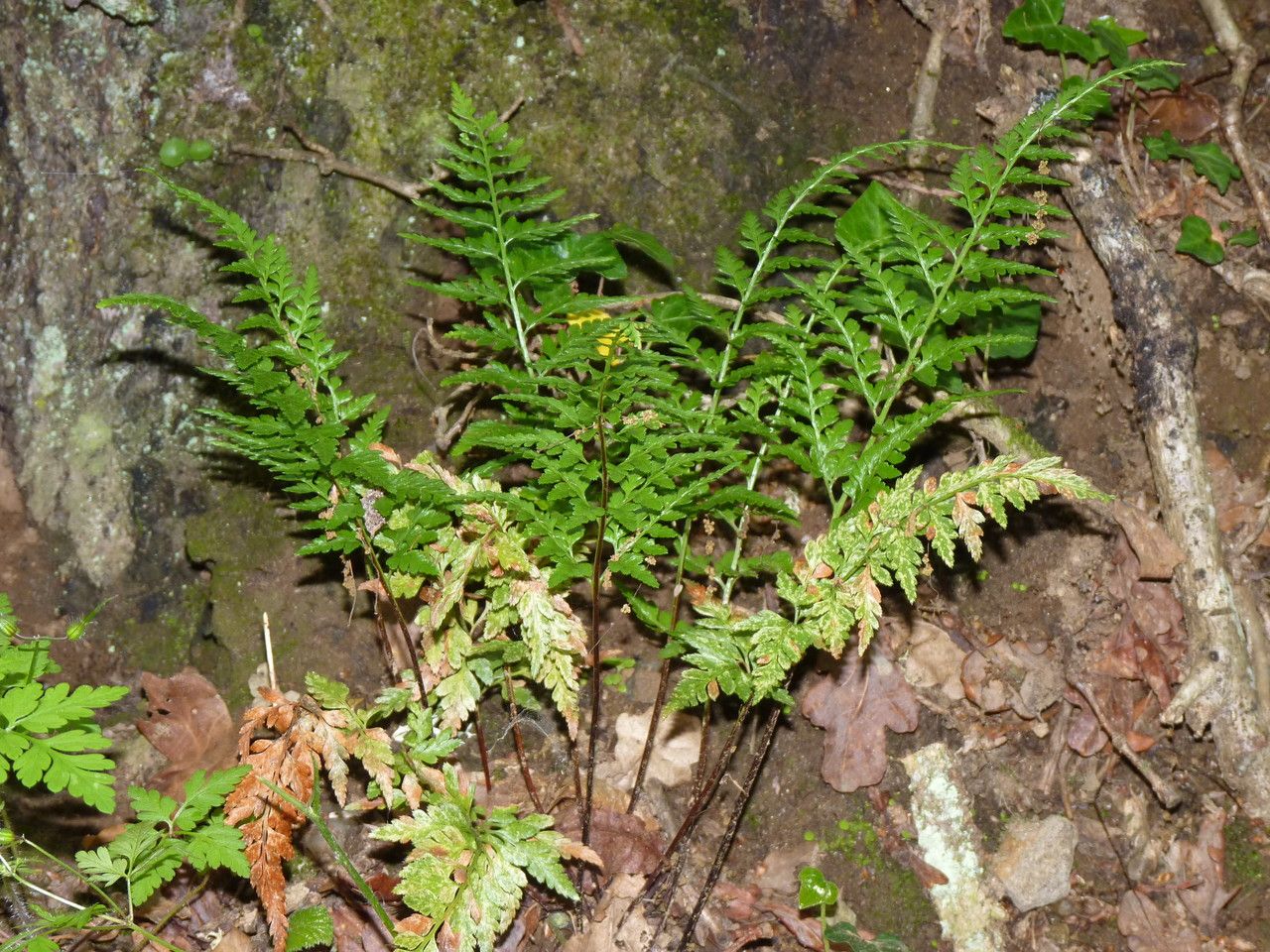
Black Spleenwort
Asplenium adiantum-nigrum
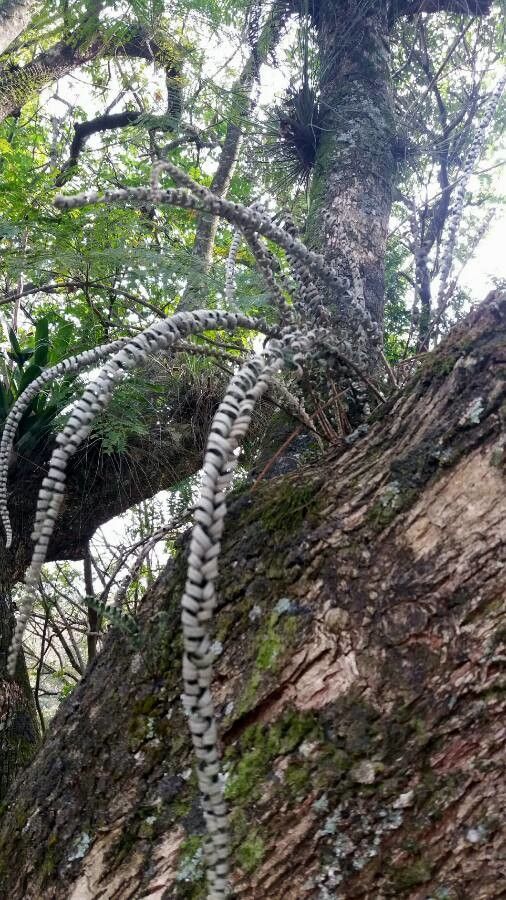
Ebony Spleenwort
Asplenium platyneuron
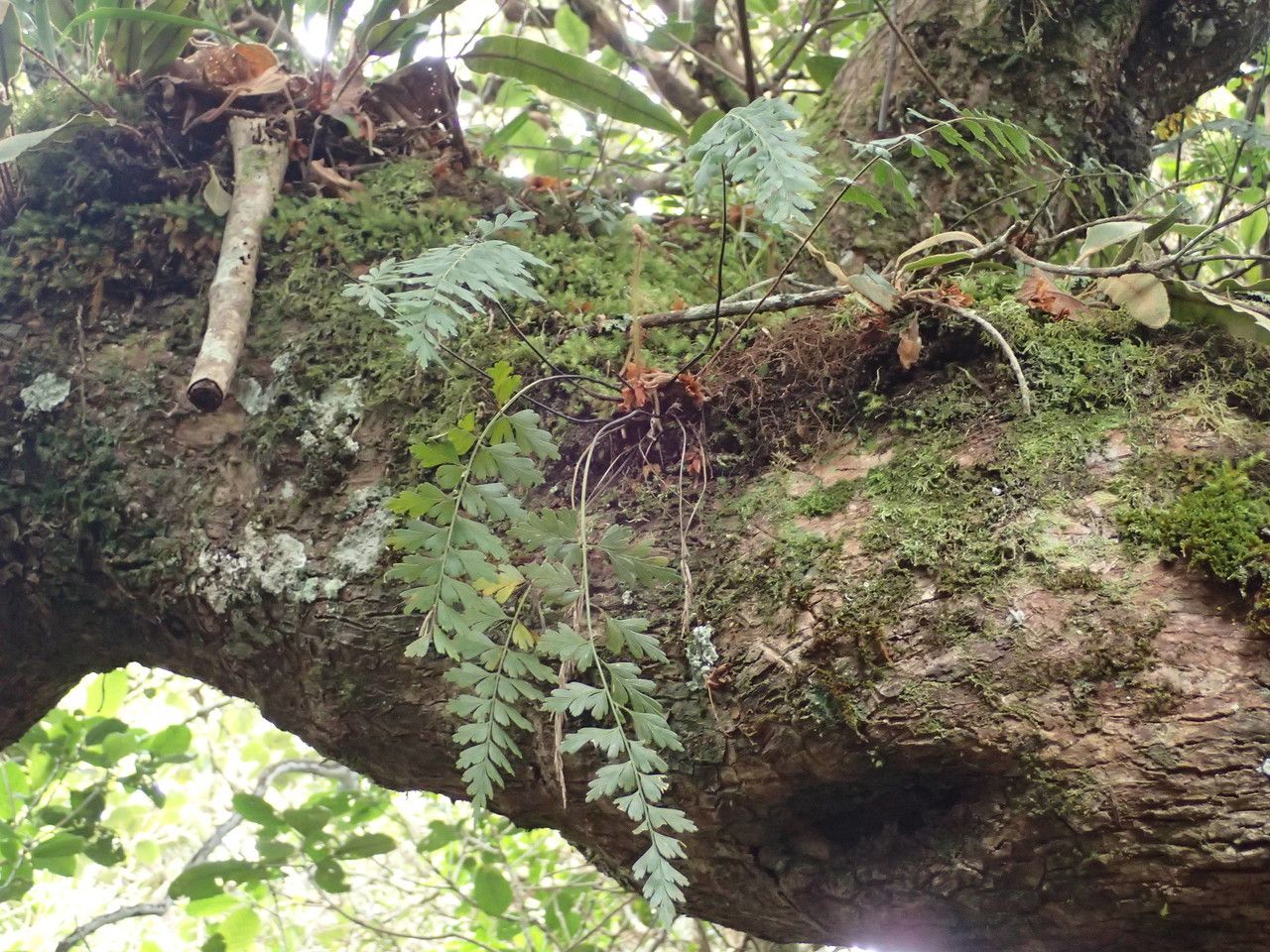
Egyptian Spleenwort
Asplenium aethiopicum
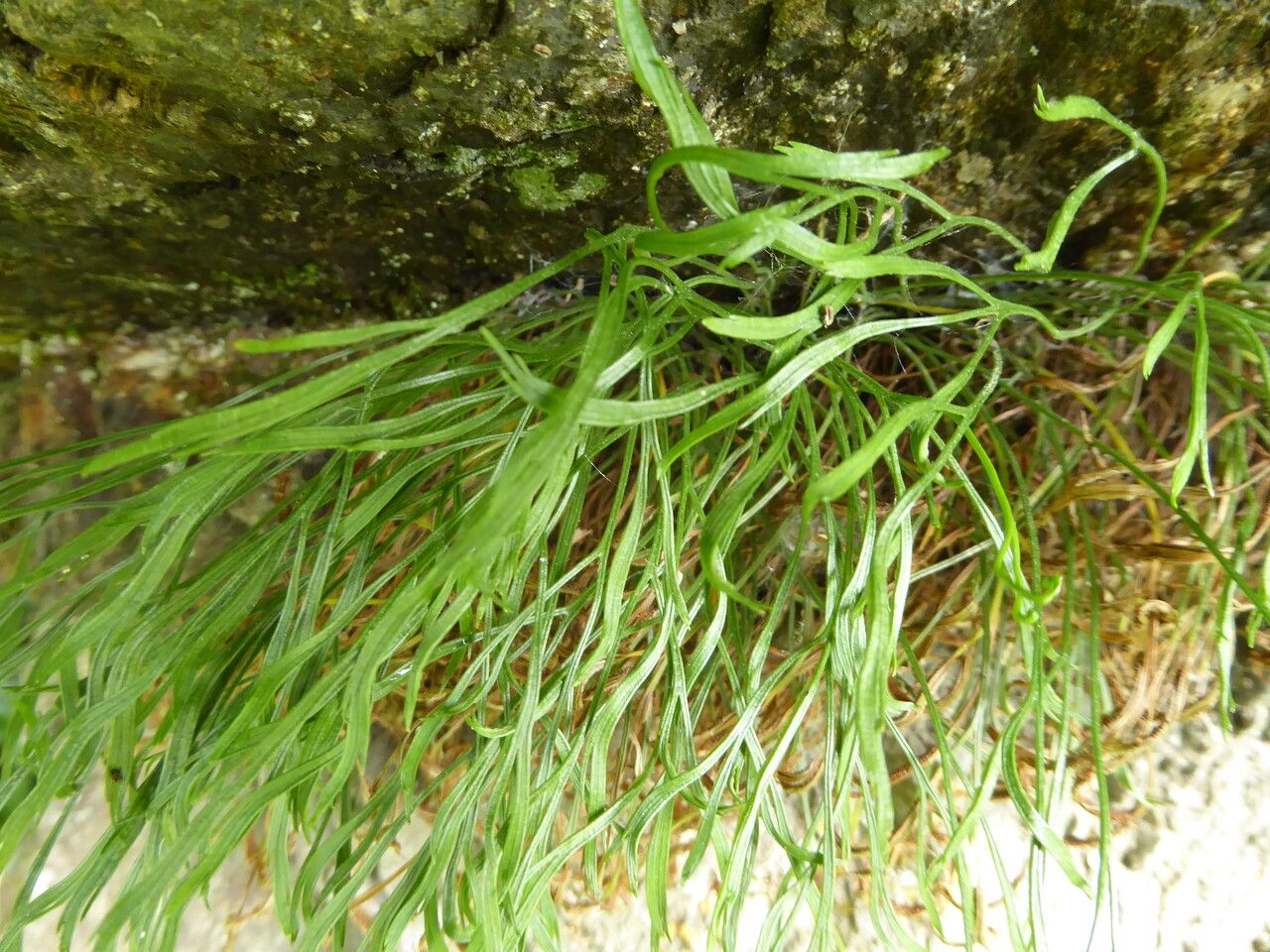
Forked Spleenwort
Asplenium septentrionale