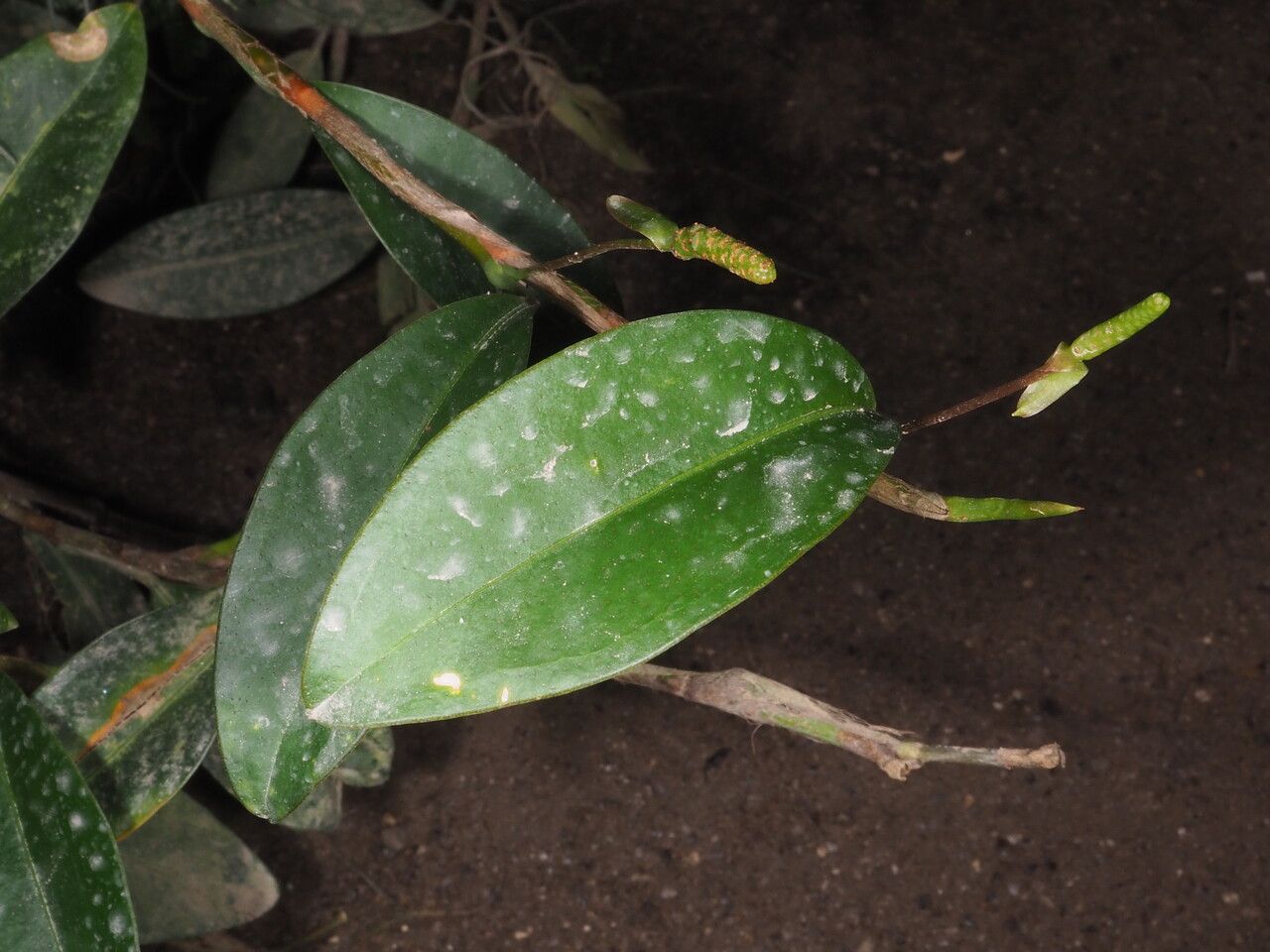
Anthurium
Anthurium andraeanum
Family: Araceae
Glossy, heart-shaped red or pink spathes bloom almost year-round in the right conditions. Often called Flamingo Flower. Adds long-lasting tropical color without the fuss of most flowering plants.
Complete Care Guide
Light Requirements
Best near south or west-facing windows with sheer curtains. Wants lots of light but not direct sun rays hitting leaves.
Watering
Water when the top 1-2 inches of soil feel dry. Consistent moisture is preferred but brief dry periods are tolerated.
Typical schedule: every 7 days (adjust for season and environment).
Humidity
This plant loves moisture in the air. Keep humidity above 50-60% using a humidifier, pebble tray, or by grouping plants together. Bathrooms with natural light are often ideal.
Temperature
Keep between 65–80°F (18–27°C). Avoid cold drafts, heating vents, and sudden temperature changes.
Size & Growth
Mature size: approximately 18 inches tall × 12 inches wide. Growth rate is slow. Habit: upright. Stays compact enough for desks and shelves.
Difficulty Level: 3/5
Moderate care requirements. Needs reasonably consistent watering, appropriate light, and attention to humidity. Best for someone with a few plants already.
Quick Tips
- ✓Bright indirect light for consistent blooming
- ✓Water when top inch is dry
- ✓High humidity helps — mist regularly
- ✓Feed monthly for more flowers
Common Problems & Solutions
Brown leaf tips
Cause: Low humidity, inconsistent watering, or mineral buildup from tap water
Fix: Increase humidity with a pebble tray or humidifier. Use filtered water. Water on a consistent schedule.
Pale or leggy growth
Cause: Insufficient light — plant is stretching toward the nearest light source
Fix: Move to a brighter location. Rotate plant quarterly for even growth.
Drooping or wilting
Cause: Usually underwatering or sudden temperature change
Fix: Water thoroughly and ensure consistent moisture. Avoid cold drafts and heating vents.
Crispy leaf edges
Cause: Humidity too low for this tropical plant
Fix: Group plants together, use a humidifier, or place on a pebble tray. Bathrooms often provide ideal humidity.
Toxic to Pets
Anthurium is toxic to cats and dogs. Ingestion may cause oral irritation, excessive drooling, vomiting, and difficulty swallowing. Keep this plant out of reach or consider a pet-safe alternative.
Browse pet-safe alternatives →Best For
Frequently Asked Questions
Is Anthurium safe for cats and dogs?▼
No — Anthurium is toxic to both cats and dogs. If ingested, it may cause oral irritation, drooling, vomiting, or difficulty swallowing. Keep out of reach of pets or choose a pet-safe alternative.
How often should I water Anthurium?▼
Water approximately every 7 days, but always check the soil first. Water when the top 1-2 inches of soil feel dry. Consistent moisture is preferred but brief dry periods are tolerated. Adjust frequency based on season — less in winter, more in summer.
How much light does Anthurium need?▼
Anthurium prefers bright indirect conditions. Best near south or west-facing windows with sheer curtains. Wants lots of light but not direct sun rays hitting leaves.
How big does Anthurium get?▼
Indoors, Anthurium typically reaches about 18 inches (46 cm) tall with a spread of around 12 inches. Growth rate is slow. Size depends on pot size, light, and care.
Is Anthurium good for beginners?▼
Anthurium has a difficulty rating of 3/5, so it's best for intermediate plant parents. It needs more specific conditions to thrive.
Similar Plants You Might Like
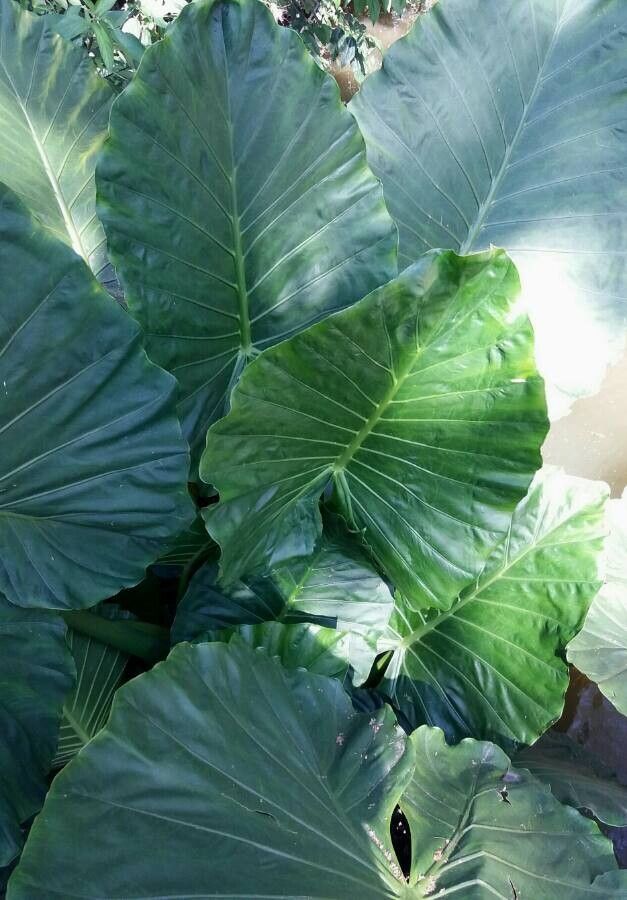
Alocasia Polly
Alocasia amazonica 'Polly'

Philodendron Birkin
Philodendron 'Birkin'
Philodendron Prince of Orange
Philodendron 'Prince of Orange'
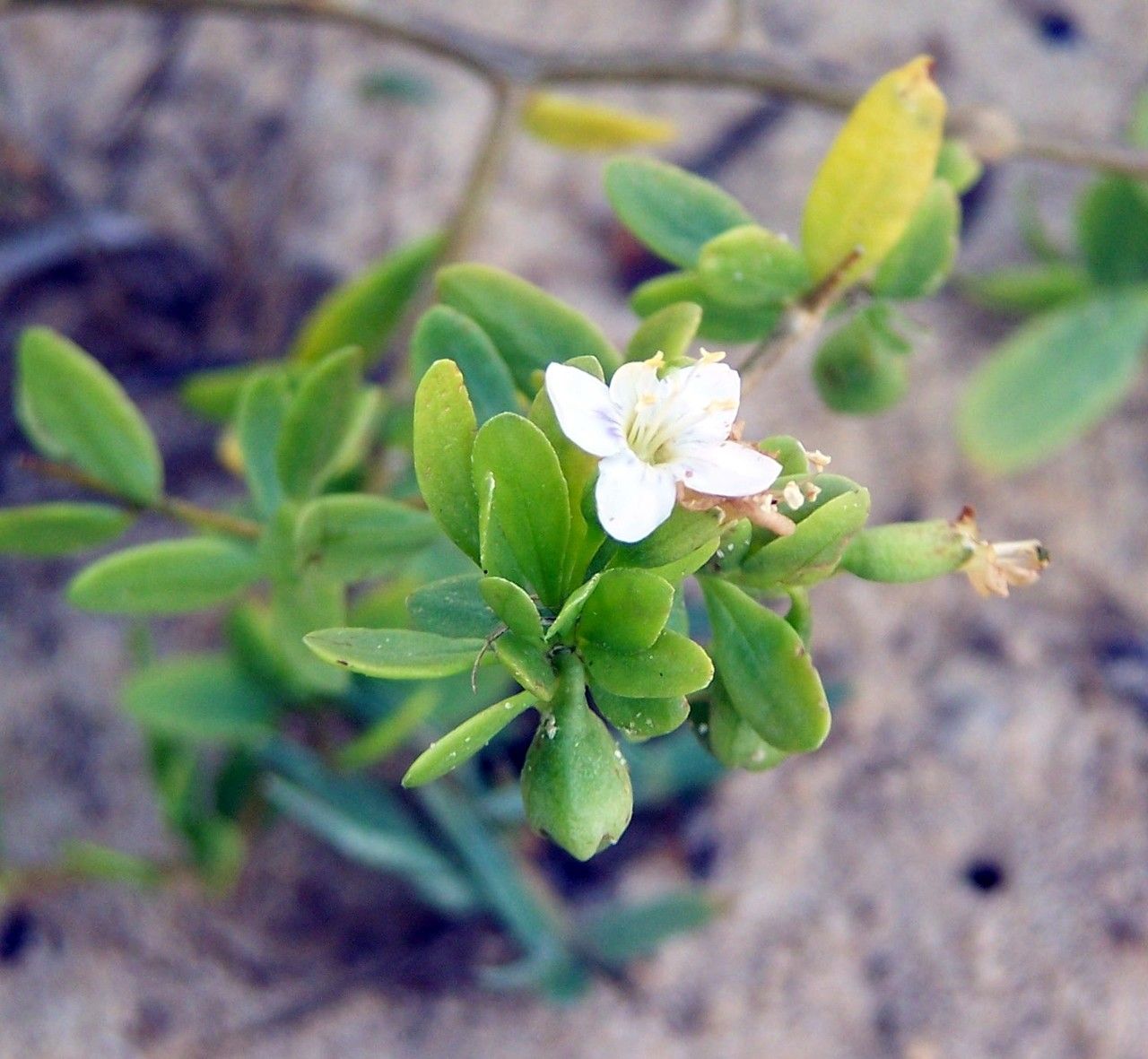
African Boxthorn
Lycium ferocissimum